
Plainsboro Previous Residents Sources
Past residents of a Plainsboro address leave different kinds of evidence in different eras. An annual assessment record establishes a snapshot; a deed records a transfer; an address-ordered directory can suggest a household; and a museum or archive collection can add local context. Keep those roles separate. The search should move from a precise modern parcel reference toward older records, stopping at a source's stated date or access boundary.
| Source | Years it covers | Where held | What it can show |
|---|---|---|---|
| NJ Property Explorer | Current annual assessment snapshot; historical cutoff not stated | State online map | Displayed owner, block/lot, assessment values, prior-year taxes, classification, and tax year. |
| Middlesex County Clerk land index | Deeds 1929-present; digitization project reached back to 1923 for some deed books | Online index and Registry/Records Room | Recorded parties, instruments, book/page references, and legal-description details. |
| Princeton directory holdings | 1901-58 online runs with gaps; print City/Polk holdings through 1982 with gaps | Princeton Public Library | Name and address leads, including address-first criss-cross titles where available. |
| State Archives and Rutgers records | Historical collections vary by series | Trenton, Rutgers, and stated research routes | Land, census, road, court, tax, estate, newspaper, and related historical trails. |
| Wicoff House Museum | Ongoing collection; no complete public name index | Plainsboro museum research request | Photographs, documents, ephemera, and local people or place context. |
Use the newest reliable address and tax year to begin, then let the deed's own references set the next step. A directory is more useful after a date range is known. For the oldest questions, the County Clerk, State Archives, Rutgers, FamilySearch, and Wicoff routes handle gaps that a browser index cannot promise to cover.
Plainsboro Previous Residents Starting Point
The New Jersey Property Explorer is a practical first screen for an address because it shows a map location, owner as displayed, block and lot, annual land and building assessment values, prior-year taxes, classification, and tax year. The state cautions that its tax lists are annual filings, so changes after certification may not appear. Save the address, municipality, block/lot, owner label, tax year, and source date before moving to the land index.
The owner layer is not an occupancy claim. It can name a trust, estate, corporation, lender, mailing contact, or former owner. The fact to preserve is narrower: who the annual assessment layer lists and when. That makes it a solid parcel anchor for previous residents research without treating it as a living-person roster.
The state Property Explorer displays the annual map and parcel fields used to begin a Plainsboro address trail.
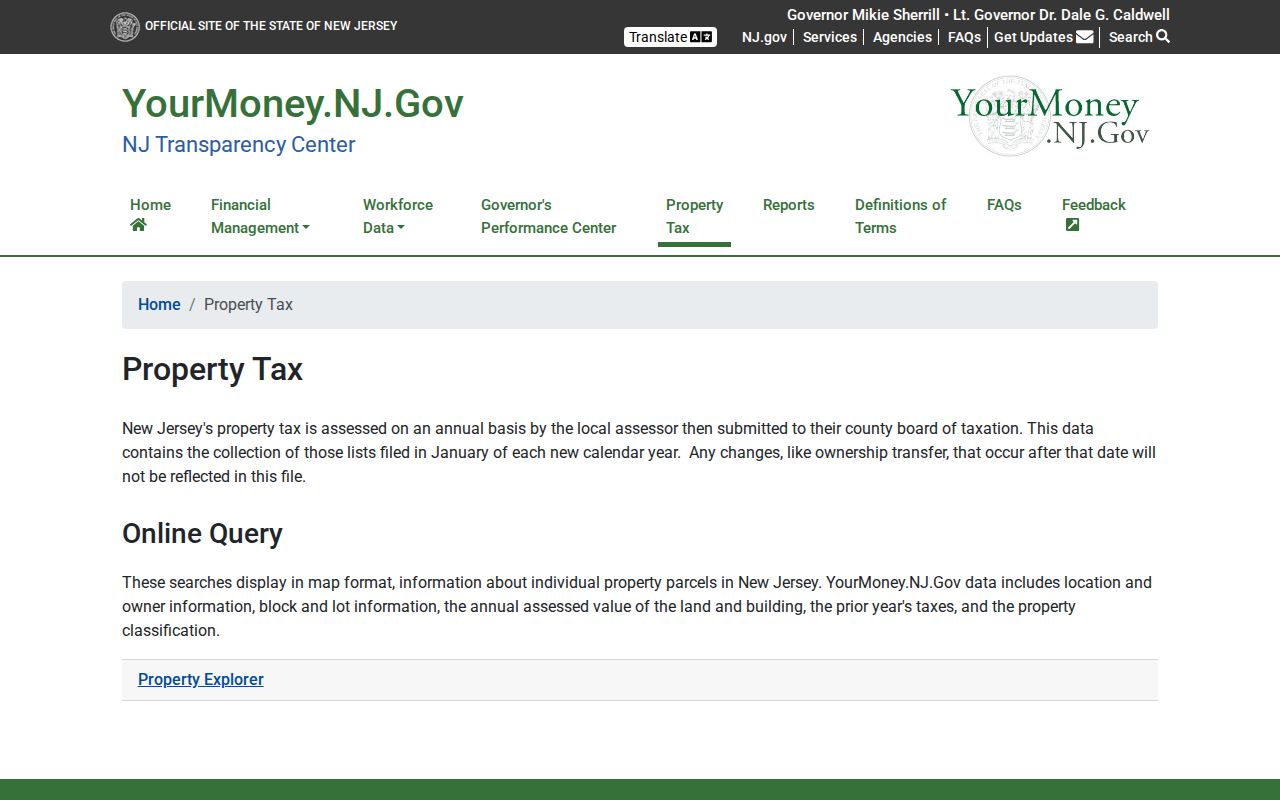
Use its block and lot with the deed index, and retain the assessment year. That pairing identifies which record is a tax-list snapshot and which is a recorded land instrument.
Plainsboro Previous Residents Deed Chain
The Middlesex County land-record index is the recorded-transfer path for a Plainsboro parcel. Its Party Name field uses the format Last-Name First-Name, without a comma. The index also supports Town, date range, lot/block, map number, parcel ID, legal-description line, book/page, instrument number, and document-type searching. Results may show party and role, document type, instrument number, recording date and time, book/page, consideration, map or parcel fields, legal lines, status flags, and image availability.
A recorded deed points backward most clearly through its recital or Being Clause. That language can name a prior Book/Page or instrument. Follow the cited predecessor rather than assuming the most recent deed is the beginning of the story. An image may be restricted or unavailable even when the index entry appears. That is an access result, not permission to infer what the image contains.
- Record the present address, municipality, block/lot, tax year, and owner label from the assessment snapshot.
- Search the County Clerk index by the relevant party, Town, or parcel reference, using the visible Last-Name First-Name format for a name search.
- Open the recorded transfer that matches the parcel and save the grantor, grantee, recording date, instrument number, Book/Page, legal description, and image status.
- Read the deed's recital or Being Clause for the prior instrument reference, then search that Book/Page or predecessor party.
- Repeat backward until the online date boundary, an image limit, or a different jurisdiction requires a Registry, archive, Rutgers, FamilySearch, or written-request route.
- Grantor / grantee
- The grantor is the party transferring an interest in a recorded instrument; the grantee is the party receiving it.
- Chain of title
- The sequence of recorded transfers and related references used to trace a parcel backward through time.
- Legal description
- The land description in a deed, map, or record. It can remain more stable than an old street label.
A view of the Middlesex County land-record search shows the party-name and property filters that support a documented prior-owner trail.
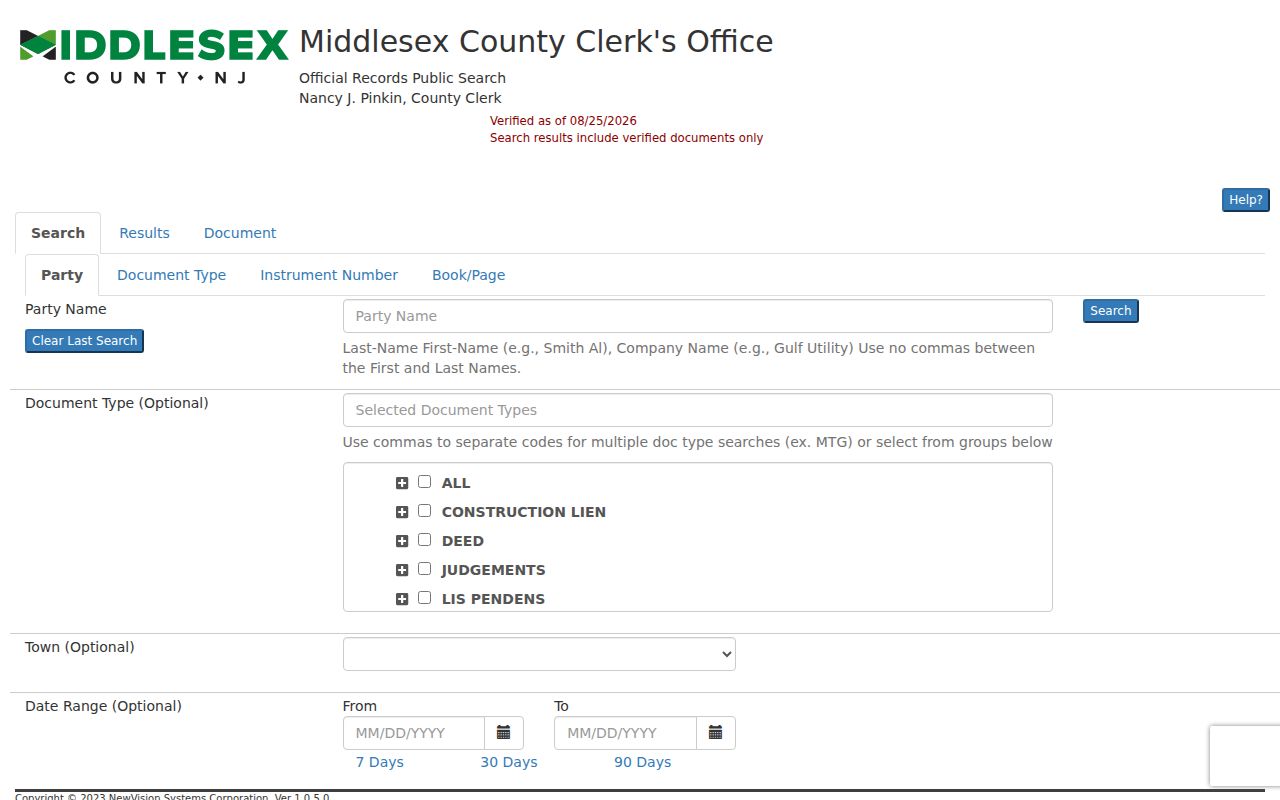
The browser index is public to search, while image and cart actions can involve a login. The Registry also provides a path when online access is incomplete.
Plainsboro Previous Residents Registry Route
The County Clerk's published online dates are deeds from 1929 to the present, mortgages from 1950 to the present, and other document types from 1958 to the present. A 2022 project digitized deed books backward to 1923, but that does not make every earlier book a complete free web search. The Registry FAQ says the Clerk holds copies of land records recorded since 1683. For pre-1923 or pre-index research, ask the records staff which book, microfilm, digitized, or archive route applies.
The Middlesex County Clerk maintains Registry/Recording Services at 75 Bayard Street, fourth floor, New Brunswick. Published hours are Monday through Friday, 8:30 a.m. to 4:10 p.m., with arrival before 4:00 requested. Public deed copies can be requested in writing or in person, and certified copies use the custodian's stated procedure. Verify current hours and fees before travel or ordering.
Note: A County Clerk copy is a land-record source, while an assessment result is an annual tax-list source; preserve both labels.
Plainsboro Previous Residents Before 1919
Plainsboro Township incorporated on May 6, 1919. Before then, land north of Plainsboro Road and Dey Road belonged to South Brunswick, while land south belonged to Cranbury. That split can place an early deed, tax, road, school, or household reference under another municipal name even though the address is now in Plainsboro. Test the modern address against the historic location before treating a no-hit as a missing record.
The State Archives holds historical routes for deeds, census schedules, tax ratables, estates, court records, naturalization, newspapers, and other county material. Rutgers' Middlesex County finding aid adds early deeds, road surveys, court books, marriage indexes, elections, and related county records. These sources offer a historical fallback when a prior-resident search reaches beyond the online land index.
Plainsboro Previous Residents in Directories
Ownership is only one part of who lived here before. Princeton Public Library's physical City/Polk volumes, microfilm, Community Phone Books, and Hill-Donnelly or InfoUSA criss-cross titles can offer an address-to-name hypothesis. The City/Polk print holdings run from 1916-17 through 1982 with gaps. Polk's Princeton microfilm covers 1901-35 on three reels, and HeritageQuest provides named online Polk years from 1901 through 1958 with gaps. These are regional collections, so inspect the printed place in each result.
The Princeton Local History Resource Guide is the best starting point for physical volumes and the second-floor Information Desk. Address-first criss-cross books are especially helpful once a street line is known. Their availability varies by title and year, and many copies are physical or uncatalogued. A no-hit may mean a coverage gap or a different local label, not that the address was empty.
The library local-history guide points to the Plainsboro previous residents tools that pair directory leads with census, newspaper, and map research.
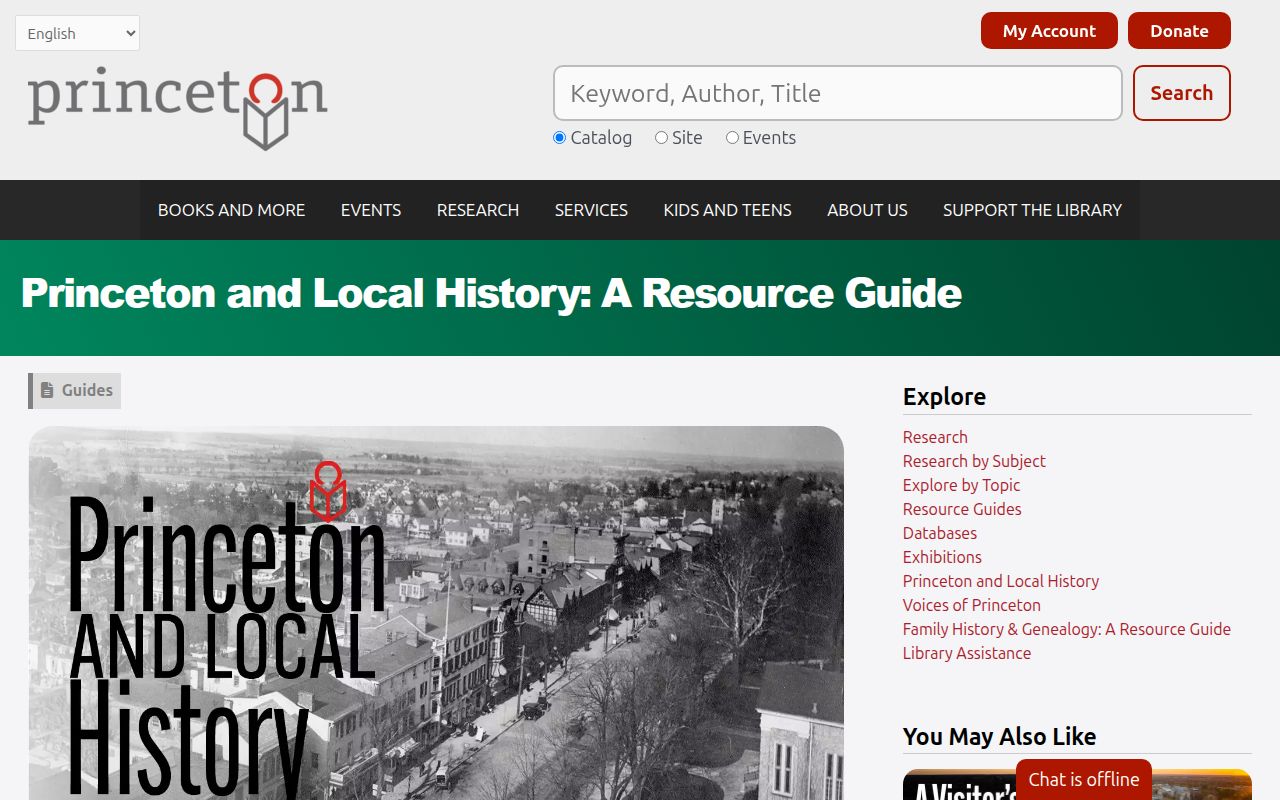
Record the directory year, address spelling, printed locality, and page. Those details let a household lead be checked against the parcel trail rather than confused with it.
Plainsboro Previous Residents Household Flow
Combine the address record with household sources in date order. A directory, census, or newspaper reference can identify a person associated with an address in a stated year, while a deed ties recorded parties to a transfer. Neither kind of record is a complete measure of continuous residence. Use the two together, mark the role each source shows, and preserve breaks in the timeline.
- Set a date range from the assessment and deed chain.
- Check the closest available City/Polk or criss-cross directory year for the street or surname.
- Compare the listing with an appropriate historical census or archive series for that period.
- Use the Local Newspaper Index for a citation, then inspect microfilm or digitized publication images for the underlying item.
- Test a disappearance against a move, death notice, changed township label, or known directory gap before making a conclusion.
The digitized collection is useful for testing a named Polk year. The broader shelf and its limits are described in the Plainsboro Directory Book.
The HeritageQuest Polk directory collection provides the digitized route for selected historical years.
Search both the person and the place, then inspect the image and preserve the displayed locality. That is safer than treating a text match as a complete address history.
Lawful personal use. Use Plainsboro past-resident research for family history, estate or heir work, local history, and personal curiosity. Do not use a record trail to stalk, harass, intimidate, or harm any person.
Plainsboro Previous Residents at Wicoff
Wicoff House is a local route when a parcel trail reaches a farm, school, church, community group, or family name. The collection includes photographs, documents, ephemera, and material on residents, businesses, organizations, churches, schools, and community groups. Digitization is ongoing, so a research request is more accurate than an assumption that every item can be searched online. Include the approximate date, street or place, collection category, and public record already found.
In Spring 2026, the Township asked residents to contribute pre-1970 letters, photographs, and personal objects to the museum. That invitation signals an expanding local collection, not a claim that every contribution is already indexed or available. A museum lead should be paired with a deed, directory page, newspaper item, or archive record before a person is assigned to an address.
The Wicoff House collections page introduces the museum's Plainsboro research categories.
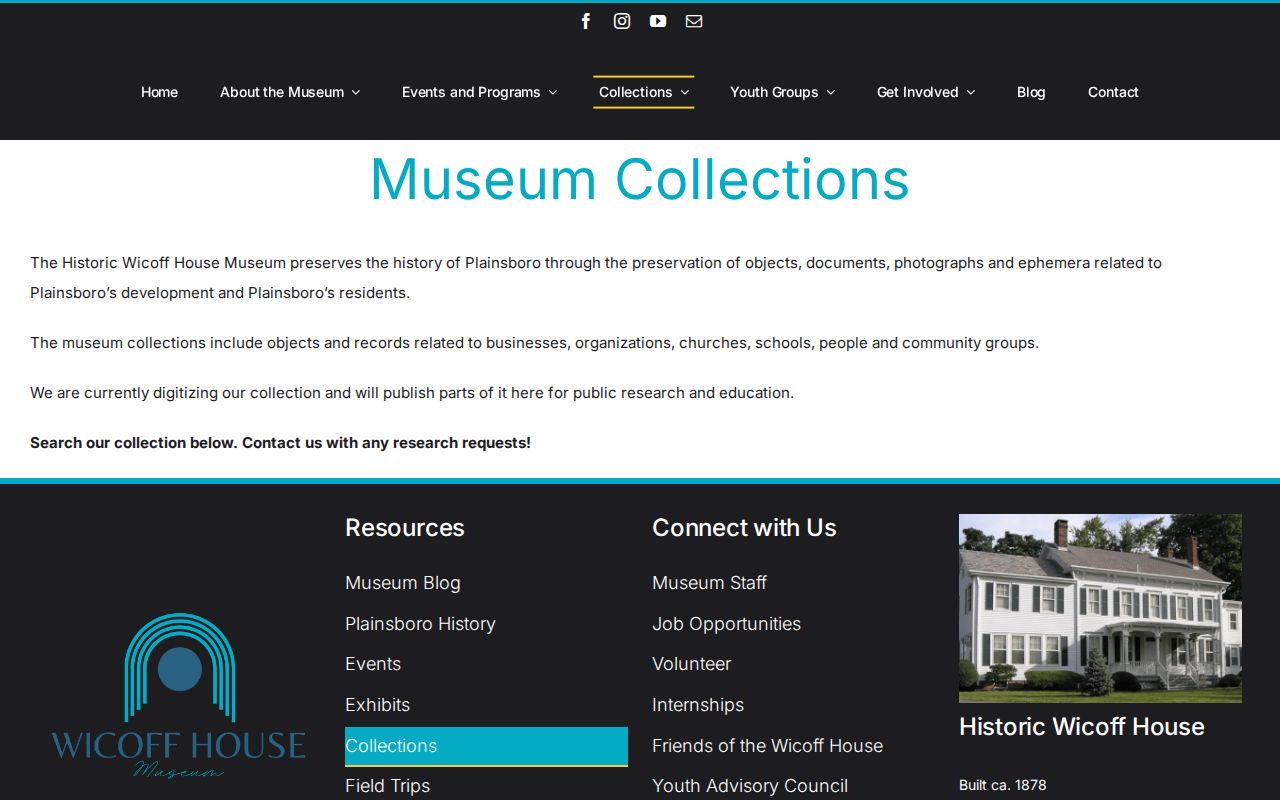
Log any returned object or document by title or description, approximate date, named people, place, public provenance, and access status. No public object-level catalog was verified.
Plainsboro Previous Residents Map Check
Map research can clarify an old road, parcel description, farm name, or nearby place, but it cannot fill a resident gap. Princeton University's Digital PUL Sanborn collection is an authoritative regional interface for fire-insurance maps. No Plainsboro-specific sheet was verified in the research. Use it as a regional comparison only, then return to an identified Plainsboro deed, tax, directory, museum, or archive source.
A view of the Princeton Digital PUL Sanborn map interface shows the regional resource that requires a sheet-level Plainsboro coverage check.
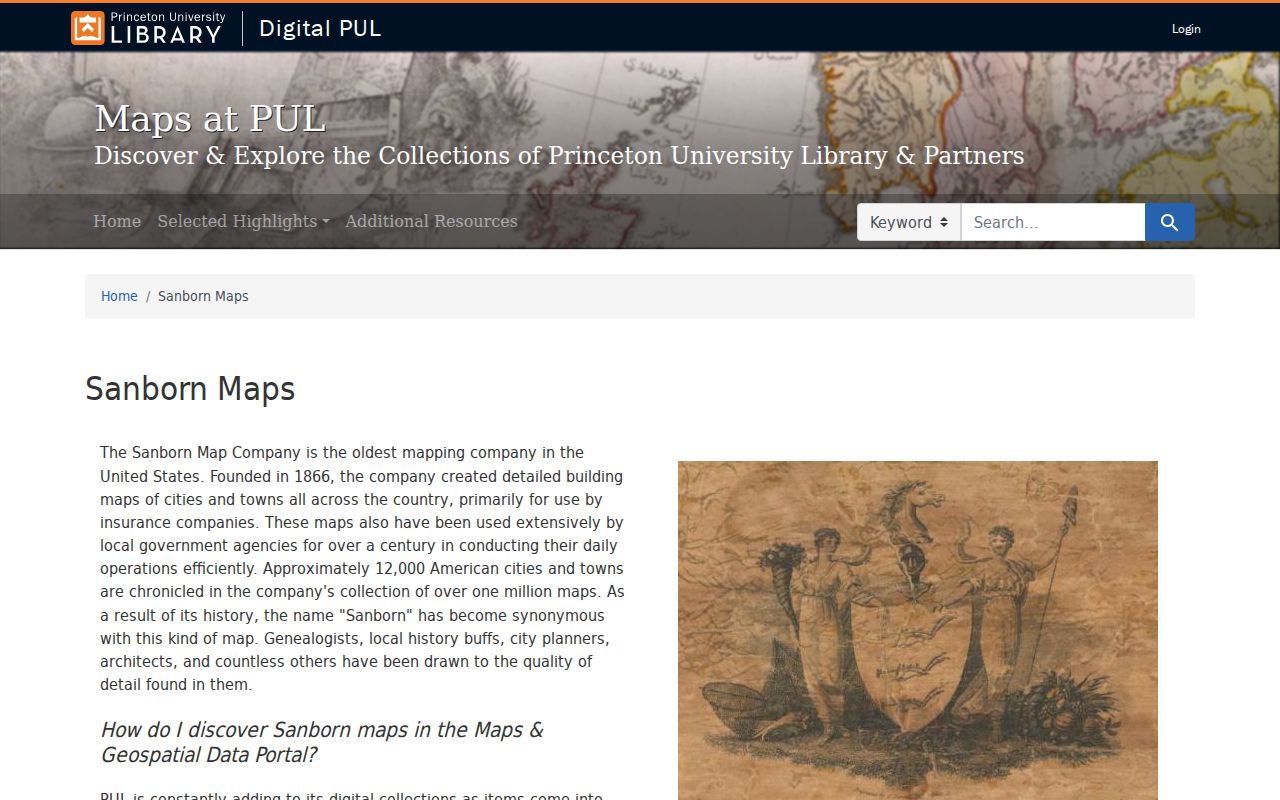
Keep the regional caveat in the research notes. A map interface can guide a question about place names, yet it is not verified evidence for a Plainsboro address by itself.
Plainsboro Previous Residents Local Anchors
Historic place names can make an older household trail easier to find. Walker-Gordon selected Plainsboro in 1897, began the Rotolactor system in 1930, and ended dairy operations in 1971. Mapleton's one-room school had 46 pupils by 1880, and a four-room replacement opened in 1920. Search those terms, along with Wicoff, Grange, old road names, schools, and former township names, in newspaper, directory, museum, and archive records.
These are research anchors, not substitutes for an address record. A person mentioned near a dairy, school, road, or community group has a role in that source. Confirm the connection with a dated parcel, deed, directory, or another primary record before describing who lived at a Plainsboro address.