
Finding Plainsboro Resident Records
No single roster lists every resident. Plainsboro Township publishes no master list, so build a short, dated chain of records instead. The state property explorer shows an assessment owner and a block/lot number. The Middlesex County Clerk index shows who played what role on a recorded instrument. Voter status, court indexes, library volumes, and municipal requests each answer narrower questions. Keep the roles visible. An owner is not always an occupant. A deed party is not always a present resident. A directory subscriber may have moved before the next edition appeared.
For an older name, fix the place and the rough time before widening the search. Plainsboro Township dates to 1919, so earlier entries can sit under Cranbury or South Brunswick. Note the address, date, spelling, result count, and source label each time. A name alone is only a lead. A name with a street, a date, and a document holds up far better.
- Start from a complete name or a full street address already known.
- Check the official property layer for tax-year parcel information.
- Search the County Clerk index for the appropriate deed or instrument.
- Use a court or election source only for its stated official purpose.
- For history, check the library and Wicoff House before making a narrow records request.
Plainsboro Resident Record Custodians
Several offices hold records that can support a Plainsboro Township residents directory search. The County Clerk keeps land instruments. The Tax Assessor handles assessments and maps. The Board of Elections controls election material. The Township Clerk routes local records and Open Public Records Act requests. Each custodian sets its own rules, so a good request names an existing document, a date range, and a delivery format. Ask for records, not conclusions.
Middlesex County Clerk Registry
75 Bayard Street, 4th Floor
New Brunswick, NJ 08901
732-745-3002
Plainsboro Tax Assessor
641 Plainsboro Road
Plainsboro, NJ 08536
609-799-0909 ext. 1411
Middlesex Board of Elections
26 Kennedy Boulevard, Suite B
East Brunswick, NJ 08816
732-745-3471
Plainsboro Property Directory Clues
The New Jersey YourMoney Property Explorer is the main official parcel starting point, with layers for location, owner, block/lot, assessed land and building value, prior-year taxes, and property classification. Save the tax year with every result. Tax lists are annual, and later corrections might not show. The Plainsboro assessor can explain tax maps and assessments, but the office offers no public owner-name search form.
An assessment owner is a dated label. It is the name on a tax record, which may be a trust, an estate, a company, a lender, or a mailing contact. Keep the situs and mailing lines separate. They are not the same address. A different mail city does not prove where someone lives. The Plainsboro Township street directory brings that same care to each address.
The state property explorer shows the parcel route.
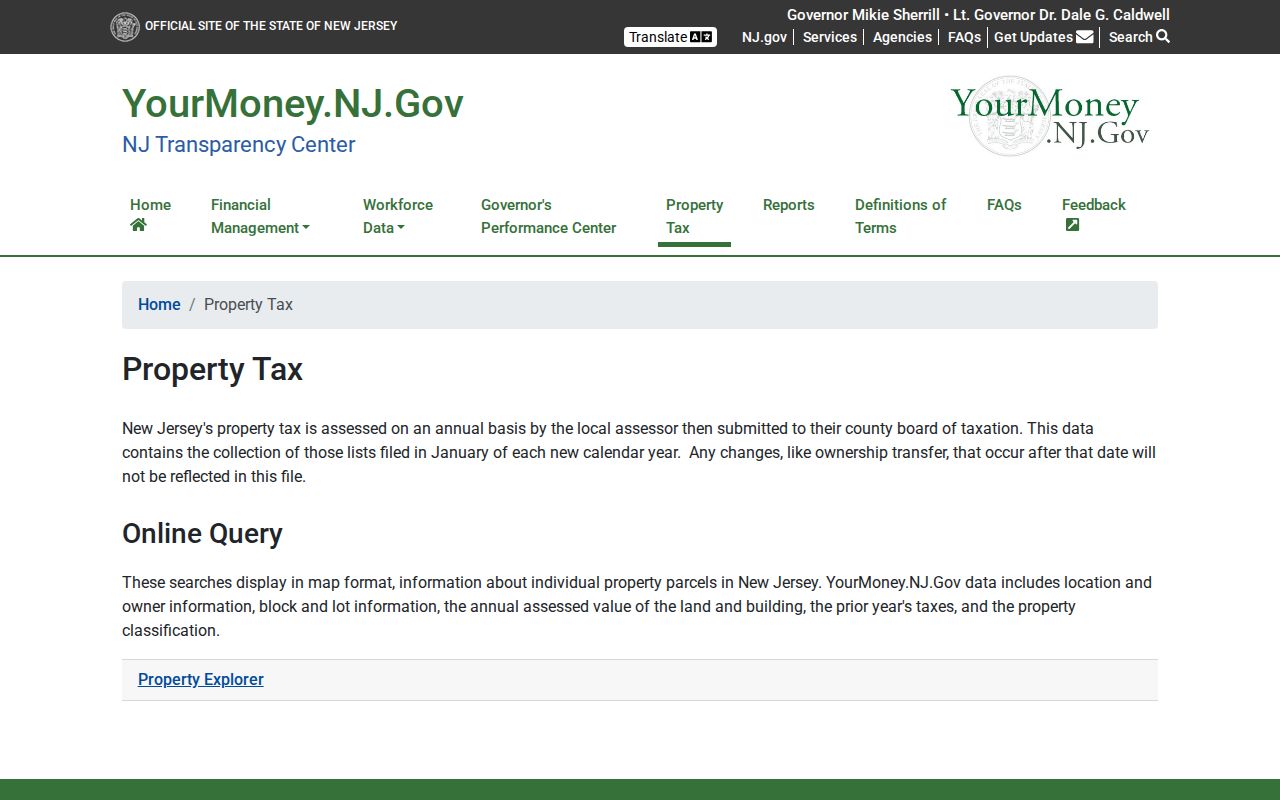
The parcel view adds context within the same limits.
Plainsboro Deed Index Trail
The Middlesex County land-record index anchors the recorded-property path for Plainsboro deeds. Its public coverage lists deeds from January 1, 1929 forward. Mortgages are covered from 1950. Other documents start in 1958. A 2022 County project digitized deed books back to 1923. The Clerk holds older copies. Not every early record is a free online image, though. For older work, use the Registry room, the State Archives, Rutgers, or FamilySearch. Do that before treating a web no-hit as conclusive.
| Index field | Plainsboro use | Format or limit |
|---|---|---|
| Party Name | Find a recorded party | Last-Name First-Name, no comma |
| Town and date | Narrow an instrument | Town dropdown and date range |
| Lot/Block or Parcel ID | Connect parcel and instrument | Optional property filters |
| Book/Page or instrument | Follow a cited prior record | Type plus supplied values |
This County Clerk search screen shows its party and property filters.
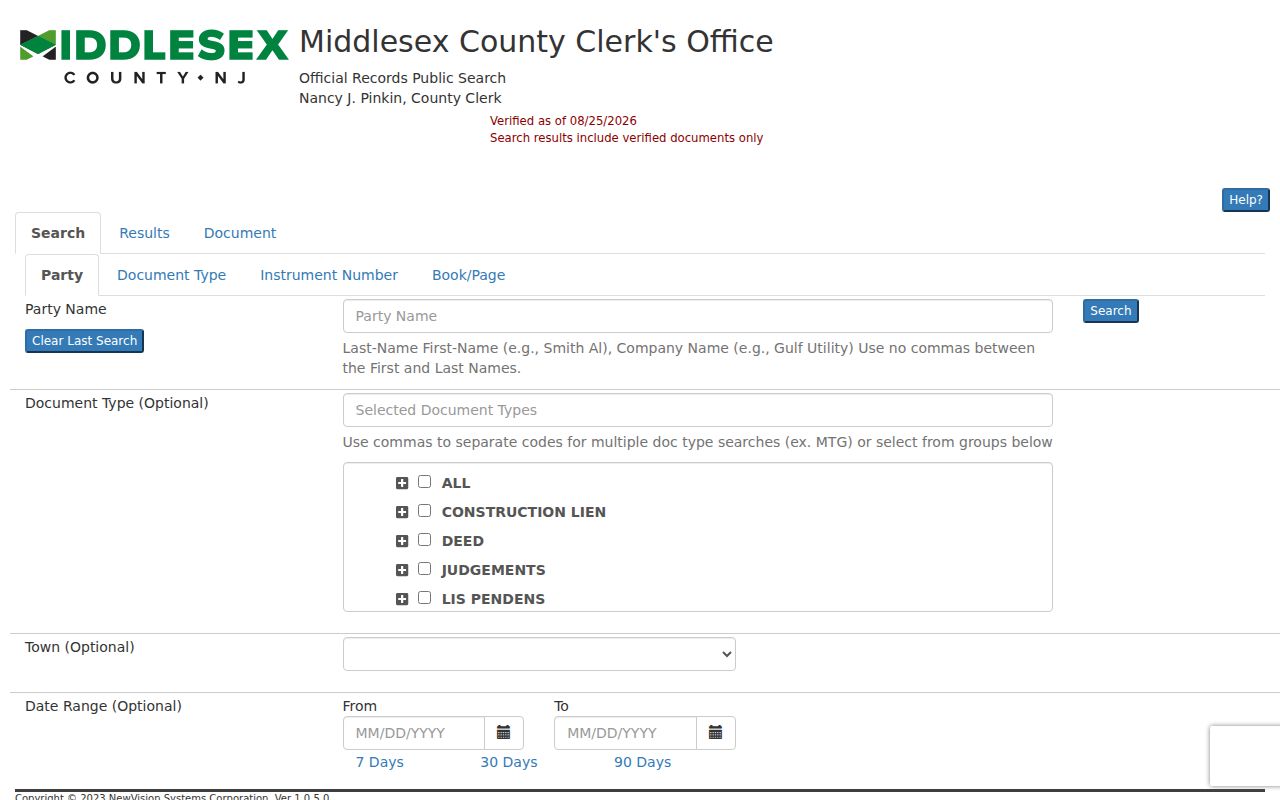
An entry can show party role, document type, instrument number, date, book and page, consideration, legal lines, flags, and image status. A restricted image is an access result. It is not a license to guess its contents.
Current Plainsboro Resident Sources
Use each current Plainsboro Township resident source for the job it actually performs. These record types are not a combined roster. They show where a present association might be recorded, who keeps the record, and what a result can fairly say. Note the access date; portals change.
| Record source | Role displayed | Keeper | Access boundary |
|---|---|---|---|
| Annual property layer | Assessment owner and parcel | New Jersey / assessor | Dated tax snapshot |
| Land-record index | Recorded party | Middlesex County Clerk | Index public; image may be restricted |
| Registration checker | Election-related status | New Jersey Elections | Limited, exact-identity route |
| Staff directory | Department contact | Plainsboro Township | Routing tool only |
| License verification | Professional or business role | NJ Consumer Affairs | Role-specific result |
Keep the source lanes separate. When a name needs more proof, the Plainsboro resident lookup shows how to weigh name, place, time, and role without turning a lead into a conclusion.
Plainsboro Voter Search Limits
New Jersey directs voter-registration questions to the state checker, which is a narrow election-status route rather than a downloadable census. Its fields and result layout can change. Spell the name exactly. Hyphens, spaces, middle initials, nicknames, and changed names can all shift a match. Voter identification numbers on the registration form remain confidential.
The state registration page shows the official enrollment channels.
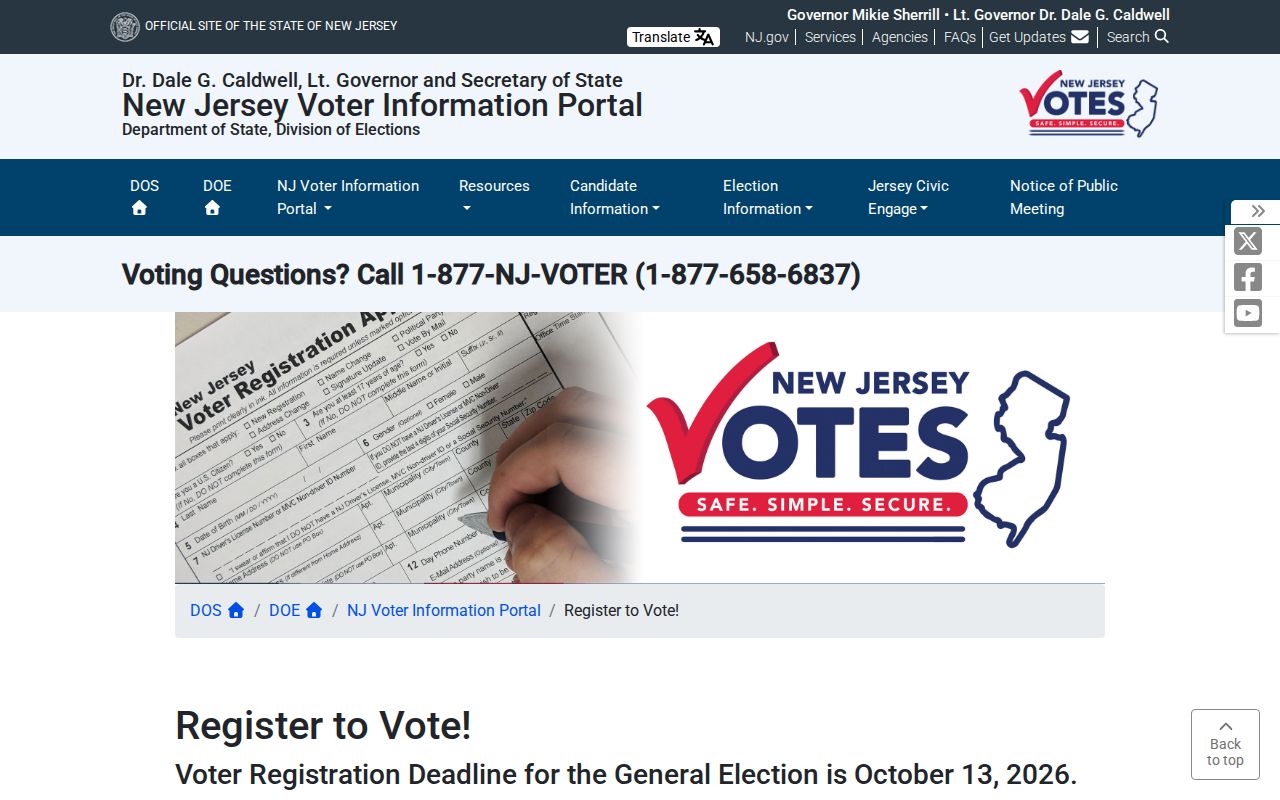
Plainsboro Township voters should treat the registration checker as a narrow tool: it works only when the required identity details and a valid election-related purpose are both in hand.
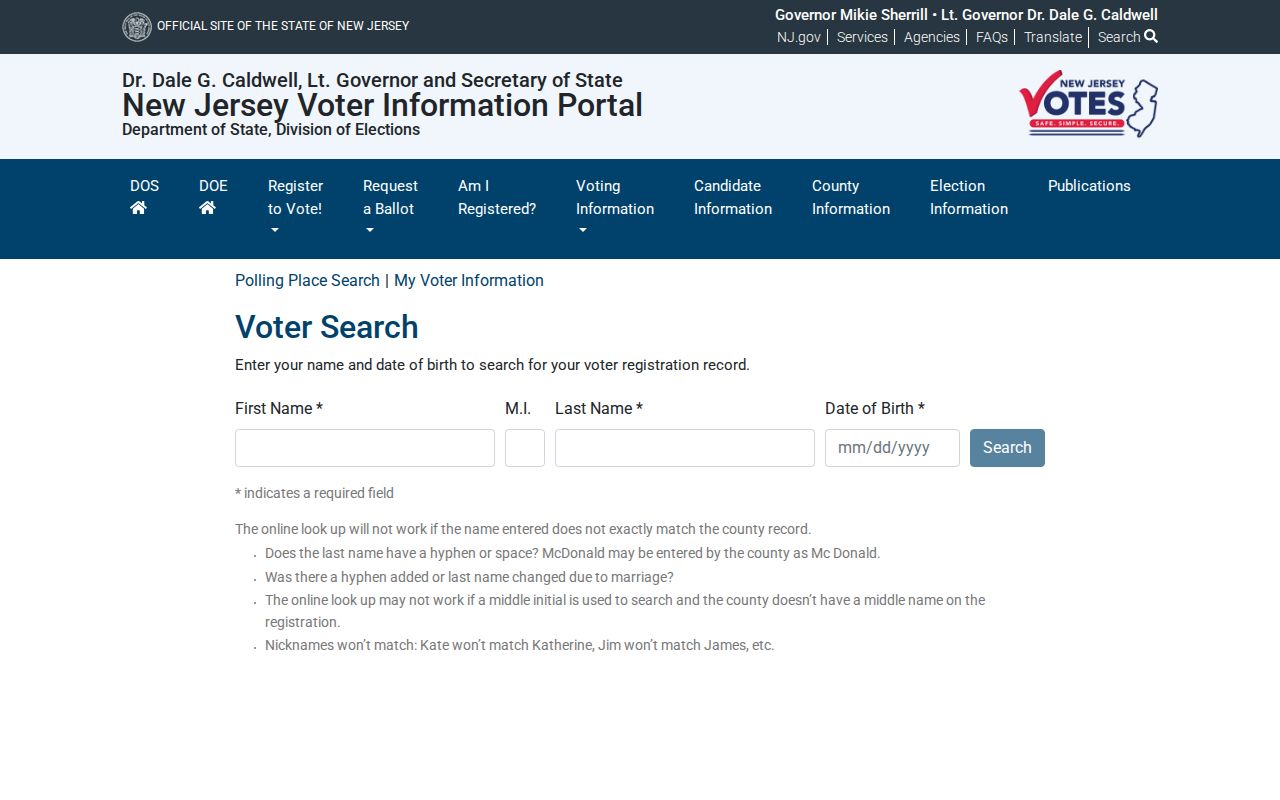
The Middlesex Board of Elections sets the current list-request rules. Ask the Board directly about full-file fees, formats, and eligibility rather than assuming them.
Plainsboro Court Name Records
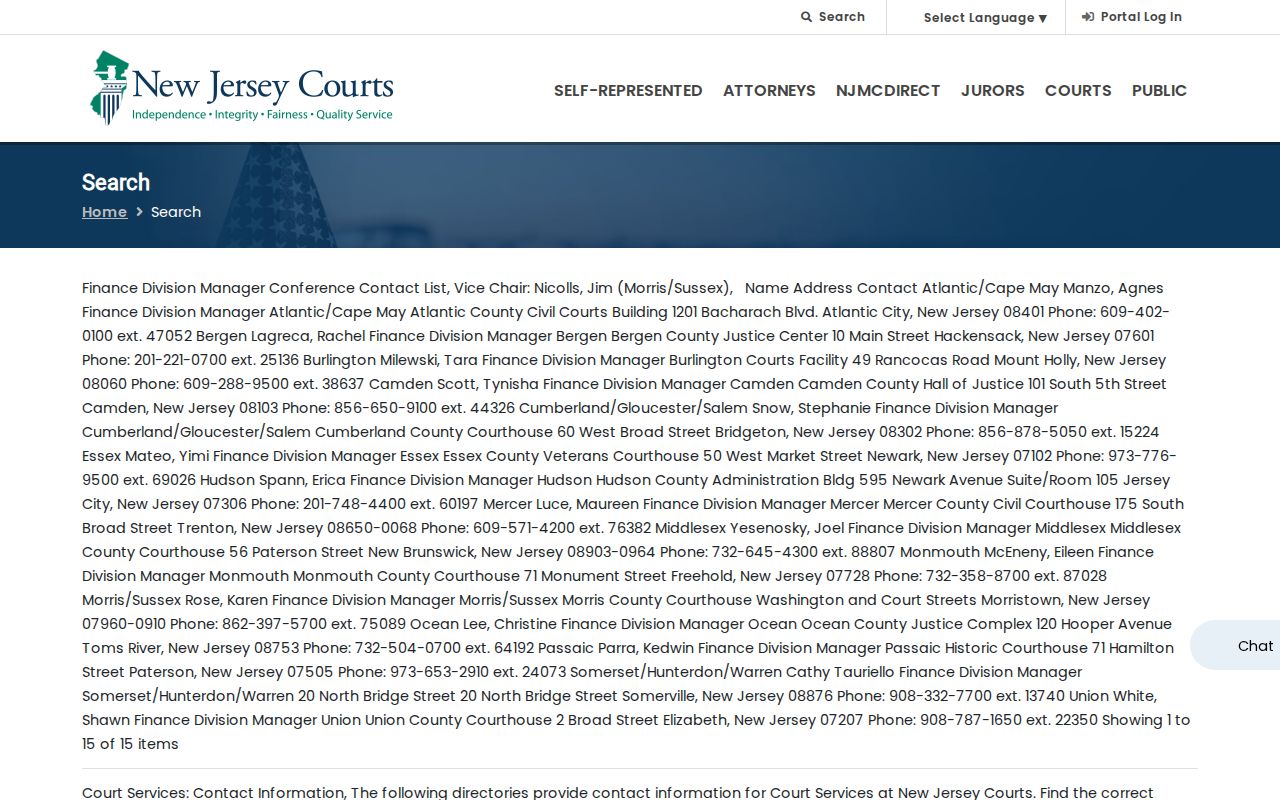
New Jersey's court system keeps its case material in a few distinct drawers. The court search hub is the official starting point. From there, Find a Case opens paths to civil jackets, foreclosures, criminal matters, judgments, and Tax Court. The eCourts guide lays out Special Civil Part options. You can search by docket number, party name, or judgment. A person search asks for last and first name. A middle initial is an option. Businesses get their own name path. A result may list party, county, docket, caption, and filing date. But a court filing is only a record of what the court holds, not proof of where someone lives now or what they did.
Always read a docket in its full context. Sealed, expunged, confidential, and other restricted court material marks a boundary, and that boundary deserves respect rather than a workaround.
Plainsboro OPRA Record Requests
Plainsboro handles record requests through the New Jersey Open Public Records Act, N.J.S.A. 47:1A-1 et seq., as amended by P.L. 2024, c.16. The Plainsboro public-records request route is the doorway. Name an existing record plainly. A specific permit, a dated application, or a meeting document all qualify. The Township need not answer questions, run research, or build a person list on request. Completed forms can be delivered, mailed, emailed as a PDF, or filed online. The process includes statutory affirmations and a seven-business-day response target. Clarification or unusual circumstances can stretch that clock, though. Electronic records generally cost nothing unless a lawful special production charge applies. The more exact your dates and description, the cleaner the scope your request will have.
Plainsboro Resident Privacy Boundaries
Not everything belongs in a resident directory. Vital certificates carry access limits. Library patron records, protected voter data, sealed or expunged court files, juvenile information, and protected law-enforcement records sit outside public view by design. New Jersey also runs an Address Confidentiality Program offering substitute addresses to qualifying participants, and Daniel's Law requires redaction for covered people. When a record shows a redaction, honor it. Working around a protected status through some other record defeats the purpose of the protection.
- Roll
- A list or status record kept for one official purpose, not proof of every fact about a person.
- Index
- A finding tool that identifies a record, often without providing the underlying image.
- Parcel
- A legally described piece of land used in tax and land records.
- Criss-cross directory
- A street or address-organized directory used as a historical lead.
Plainsboro Historical Directory Shelves
Digging into historical Plainsboro Township households usually means stepping away from modern portals. The Princeton Room at Princeton Public Library keeps City/Polk directories on its shelves. Microfilm, phone books, criss-cross titles, maps, newspapers, and genealogy materials sit alongside them. Its print City/Polk runs span 1916–17 through 1982, with gaps. HeritageQuest carries many Polk’s Princeton volumes from 1901 to 1958, again with gaps. Both collections lean toward Princeton. So verify the title, year, and street address before crediting any listing to Plainsboro. A missing entry may simply reflect a coverage gap. It does not mean the household never existed.
Two other doors open onto the township's past. The Princeton local-history guide and the Wicoff House Museum both hold rich material. Wicoff collects items on local people, schools, churches, organizations, businesses, photographs, and documents. Digitization is underway, though no complete name index exists yet. The Plainsboro directory book walks through the physical and digitized collections in far more detail.
Plainsboro Vital and Archive Routes
Vital records take a different route from a Plainsboro Township residents directory search. The Township Clerk serves as local registrar. The office handles births, marriages, civil unions, domestic partnerships, and deaths occurring in Plainsboro. The New Jersey Office of Vital Statistics and Registry treats these as protected records. They are not an open online name index. Modern state coverage starts with births in 1925. Marriages and deaths begin in 1951, domestic partnerships in 2004, and civil unions in 2007. A request calls for exact event details and identity documentation. Certified copies require an eligible relationship, an authorized agency, or a court order.
Genealogy copies carry their own age gates. Births open after more than 80 years. Marriages open after more than 50, and deaths after more than 40. The state genealogy route spells out the ID, forms, mail timing, and fees involved. Earlier periods belong with the New Jersey State Archives. That archive holds census, land, estate, naturalization, newspaper, military, and tax-ratable collections. An archive hit is a lead. Record the collection and its coverage alongside it. Treat it as context, never as a side door into protected personal data.
For a Plainsboro event, first decide what kind of copy you need: current, historical, genealogical, or restricted. That answer sets the custodian and the proof required. State Archives material can build family or time context. The Department of Health and the local registrar decide whether a certificate gets issued. Keep the exact source type in your research note. A historical index, a genealogy copy, and a certified record each carry different legal weight. Knowing the difference also keeps a former-resident search from drifting across a protected boundary without cause.
Plainsboro Resident History at Wicoff
The John Van Buren Wicoff House Museum collection gives a former-resident search something no modern database can. Its holdings span people, businesses, schools, churches, organizations, and community groups. Photographs, documents, and ephemera round out the shelves. Digitization is ongoing. An item may need a research request rather than a name search. Ask by category, approximate date, place, or road. Give a public object description too. Do not invent a catalog number.
A spring 2026 Plainsboro Reporter appeal invited donations of letters, photographs, and personal objects. These were tied to residents before 1970. That is a collecting priority, not proof every item is online. Wicoff works best beside a deed, tax record, newspaper citation, or directory year. Its local context helps test a household, school, farm, or organization name. It does so without overstating a historical association.
Plainsboro’s 1919 Record Split
Plainsboro Township incorporated on May 6, 1919. Before that split, land north of Plainsboro Road and Dey Road sat in South Brunswick. Land to the south belonged to Cranbury. That geography shapes any resident lookup. A pre-1919 deed, tax item, road survey, school reference, or directory hit can sit correctly under either prior town. Check modern parcel context first. Then test the earlier place names with Middlesex County terms.
The County index publishes stated coverage numbers. Yet older bound books and archival series reach past its usual web dates. This jurisdiction-aware habit keeps a missing web result from hardening into a false claim. It stops you from concluding that a resident or address never existed. Note: The County Registry/Records Room posted an August 17–20, 2026 maintenance closure, so verify in-person access before traveling.
Plainsboro Custody Search Warnings
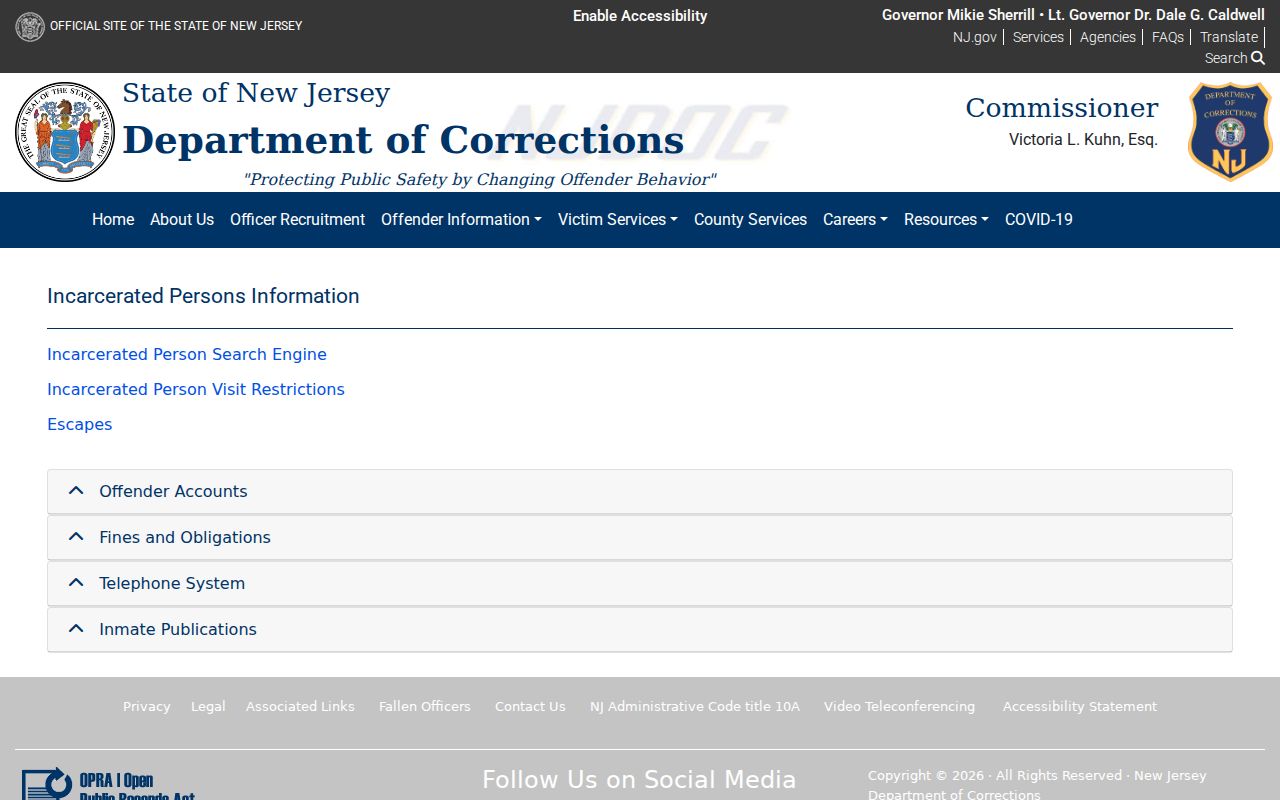
A custody lookup should never be mistaken for a Plainsboro Township residents directory. The two records serve very different purposes. The New Jersey Department of Corrections offender-information source is a narrow statewide custody tool. It is refreshed on a biweekly cycle rather than in real time. It does not build a full custody history for any person. The state says so plainly. Profiles can drop off after a custodial term ends under stated conditions. Certain populations are left out of the system entirely. Middlesex Adult Corrections adds its own warning. No intimidation, threats, or harassment of anyone in its custody.
The official NJDOC screen appears here simply to mark that boundary.
Use a custody or registry source only for lawful public-safety or case verification, and preserve its date and warning. Never infer a lifetime history or residence from an entry.